

The 5 Best Auto Insurance Quotes Compared
Why Comparing Auto Insurance Quotes Can Save You Hundreds
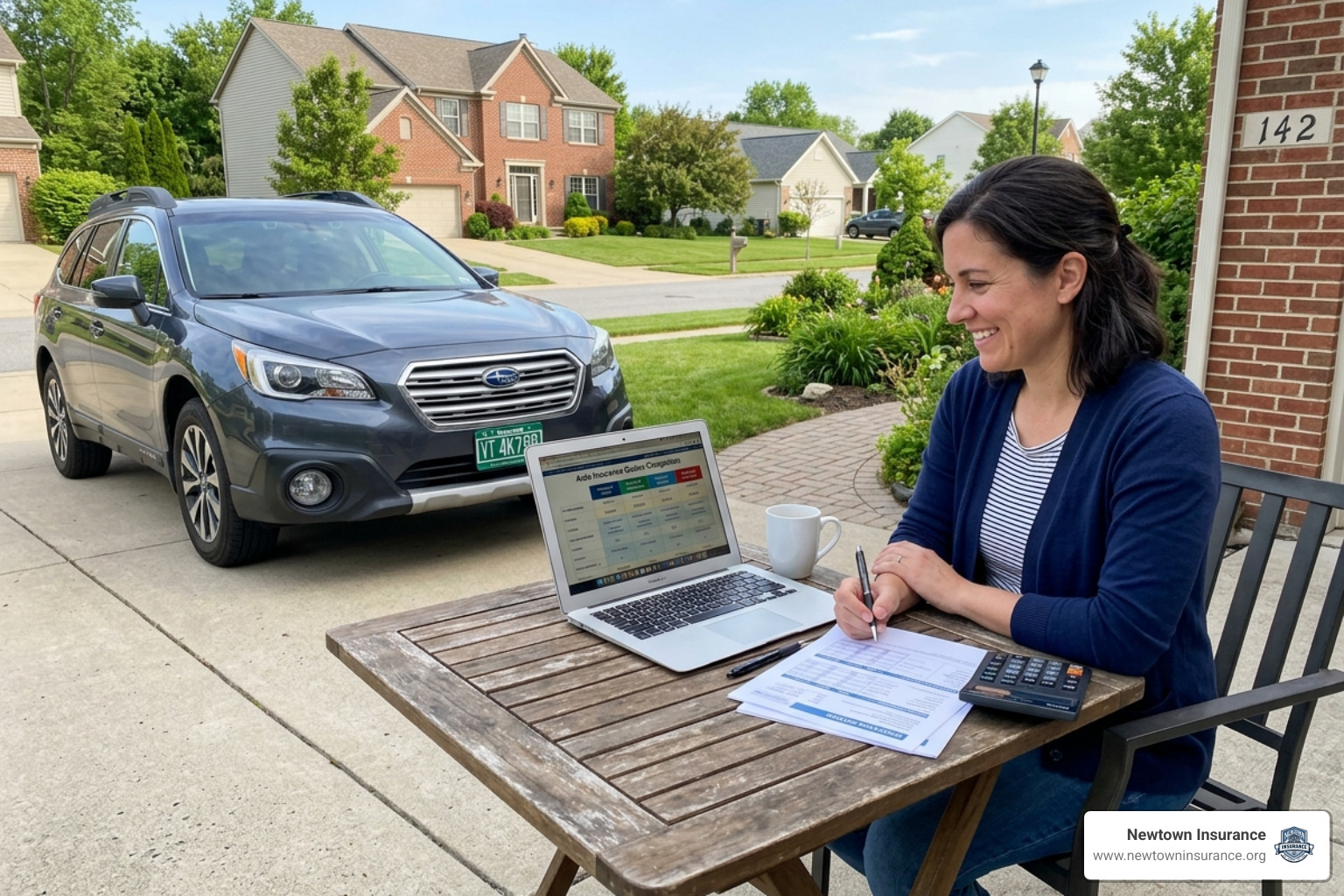
Auto insurance quotes are estimated prices from insurance companies showing what you'd pay to insure your car — and comparing them is one of the fastest ways to stop overpaying.
Here's a quick snapshot of what you need to know:
| Topic | Key Fact |
|---|---|
| Average full coverage cost | $173/month nationally |
| Average liability-only cost | $99/month nationally |
| Potential savings by switching | Up to $700–$1,100/year |
| Lowest rates available | From $29/month |
| How often to compare | At least once a year |
Getting multiple quotes takes minutes. Yet most drivers stick with the same insurer year after year — often paying far more than they need to.
The reason rates vary so much? Every insurance company weighs risk factors differently. The same driver with the same car can get wildly different prices from different insurers. That's not a glitch — it's just how the system works. And it's exactly why shopping around matters.
For Pennsylvania residents especially, the difference between your current rate and the best available rate could be significant. Hidden fees, generic plans, and auto-renewals at higher prices are common frustrations — and they're avoidable.
I'm Shawn Beihl, and with over 15 years of specialty insurance experience — including commercial P&C and risk advising — I've helped countless clients find auto insurance quotes that actually match their needs and budget. In this guide, I'll walk you through exactly how to compare your options with confidence.
Essential Information Needed for Accurate Auto Insurance Quotes
To get the most accurate auto insurance quotes, you need to provide precise data. Think of it like a suit: if you give the tailor the wrong measurements, you’re going to end up with something that doesn't fit—and in the insurance world, a "bad fit" usually means you're paying too much or you're under-insured.
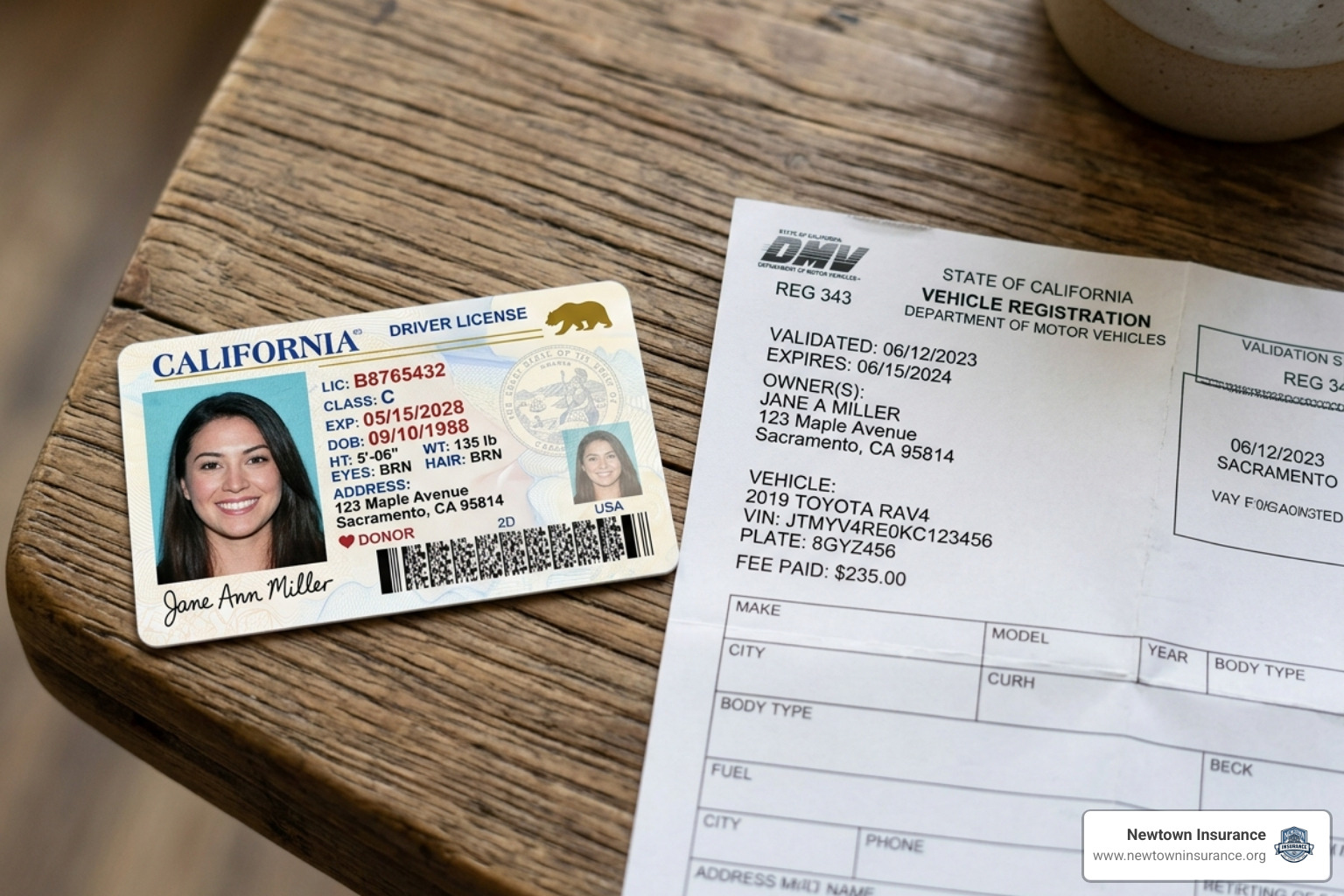
When you sit down to compare rates, have these items ready:
- Personal Identification: This includes your full name, date of birth, and residential address. Since location is a major pricing factor, the specific ZIP code where you park your car at night matters immensely.
- Driver’s License Info: You’ll need the license numbers for yourself and any other drivers in your household.
- Vehicle Identification Number (VIN): While you can get a "ballpark" quote with just the year, make, and model, providing the 17-digit VIN ensures the insurer knows exactly which safety features and trim level your car has. This can often trigger safety discounts you didn't know existed.
- Driving History: Be honest about accidents, speeding tickets, or DUIs from the last three to five years. Insurers will find them eventually when they pull your reports, and it's better to have an accurate price upfront than a nasty surprise during the final "binding" stage.
- Annual Mileage: Are you a "Sunday driver" or a "long-distance commuter"? Providing accurate vehicle mileage helps determine your risk level.
- Current Coverage Limits: Knowing what you currently have makes it easier to perform an "apples-to-apples" comparison. You can find this on your current policy's declarations page.
For those looking for a truly tailored experience, we recommend seeking Personalized Insurance Quotes that take into account your specific lifestyle in Pennsylvania rather than relying on generic online calculators.
Comparing Liability vs. Full Coverage Auto Insurance Quotes
One of the biggest decisions you'll make when looking at auto insurance quotes is choosing between liability-only and full coverage. Nationally, the average cost for liability is about $99 per month, while full coverage jumps to $173.
But what are you actually buying?
- Liability Insurance: This is the bare-bones requirement in almost every state (including Pennsylvania). It covers damage you cause to others—their medical bills and their car repairs. It does not pay a cent for your own car if you hit a pole or a deer.
- Full Coverage: This isn't a single "thing" you buy, but rather a combination of liability plus Collision and Comprehensive coverage.
- Collision covers your car if you hit another vehicle or object.
- Comprehensive covers "acts of God" or non-collision events like theft, fire, hail, or hitting an animal.
| Coverage Type | What it Covers | Required By Law? |
|---|---|---|
| Liability | Others' injuries & property | Yes (PA State Minimum) |
| Collision | Your car (accidents) | No (but lenders require it) |
| Comprehensive | Your car (theft, weather) | No (but lenders require it) |
If you are financing or leasing your car, your lender will almost certainly require full coverage to protect their investment. If your car is an older "clunker" worth less than a few thousand dollars, switching to liability-only might be a smart way to save.
How Often to Update Your Auto Insurance Quotes
Insurance isn't a "set it and forget it" utility. We recommend reviewing your auto insurance quotes at least once a year or whenever a major life event occurs.
Why? Because your risk profile changes. If you’ve moved to a new neighborhood in Newtown, bought a new car, or even improved your credit score, you could be eligible for lower rates. Furthermore, insurance companies frequently update their pricing models. A company that was the "cheapest" for you three years ago might now be the most expensive.
When shopping, look for providers that offer No Hidden Fee Insurance to ensure the price you see on the quote is the price you actually pay. Transparency is key to avoiding "rate creep" at renewal time.
Key Factors and Coverage Options Influencing Your Rates
Insurers use complex algorithms to decide your premium, but several "big" factors consistently move the needle.
- Your Driving Record: This is the most significant factor you can control. A clean record with no at-fault accidents or moving violations will always net you the lowest auto insurance quotes.
- Age and Experience: Younger drivers, especially teens, pay significantly more due to a lack of experience and higher statistical accident rates. Conversely, seniors may see rates fluctuate based on age-related risk assessments.
- The Vehicle You Drive: A brand-new sports car costs more to insure than a sensible sedan. Insurers look at the car's safety ratings, the cost of parts, and how often that specific model is stolen. Resources from Safe Kids Worldwide® can also help families think about broader vehicle safety habits for younger passengers.
- Location (ZIP Code): If you live in a high-traffic area or a place with high rates of vehicle theft, your premium will reflect that.
- Deductible Amounts: Your deductible is the amount you pay out-of-pocket before insurance kicks in. Choosing a higher deductible (e.g., $1,000 instead of $500) will lower your monthly premium, but you must ensure you have that $1,000 saved in case of an emergency.
Understanding State-Required Minimums
In Pennsylvania, you cannot legally drive without meeting the state's financial responsibility requirements. Pennsylvania is a "choice no-fault" state, which adds a layer of complexity to your auto insurance quotes.
At a minimum, PA drivers must carry:
- Medical Benefits: $5,000 to cover medical bills for you and others on your policy, regardless of fault.
- Bodily Injury Liability: $15,000 per person / $30,000 per accident.
- Property Damage Liability: $5,000 to cover damage to someone else's property.
While these are the minimums, they are often insufficient. If you cause a multi-car accident, $5,000 in property damage won't even cover a bumper on a modern Tesla. We often suggest looking at higher limits to protect your personal assets from lawsuits.
When researching companies, it's also helpful to look at independent customer reviews and industry ratings to see how real customers feel about the claims process and reliability of various providers. A high rating usually indicates a company that stands by its quotes. For example, third-party review platforms such as Trustpilot can provide another layer of insight alongside official financial-strength ratings.
The Impact of Credit Scores on Premiums
It might seem unfair, but in Pennsylvania, your credit score can heavily influence your auto insurance quotes. Actuarial data shows a strong correlation between credit history and insurance risk. Essentially, drivers with higher credit scores are statistically less likely to file claims.
If your credit score has improved recently, it is a perfect time to shop for new quotes. You might find that you’ve moved into a different "tier," unlocking hundreds of dollars in annual savings. Some states have banned this practice, but for now, PA drivers should be mindful of their "insurance score."
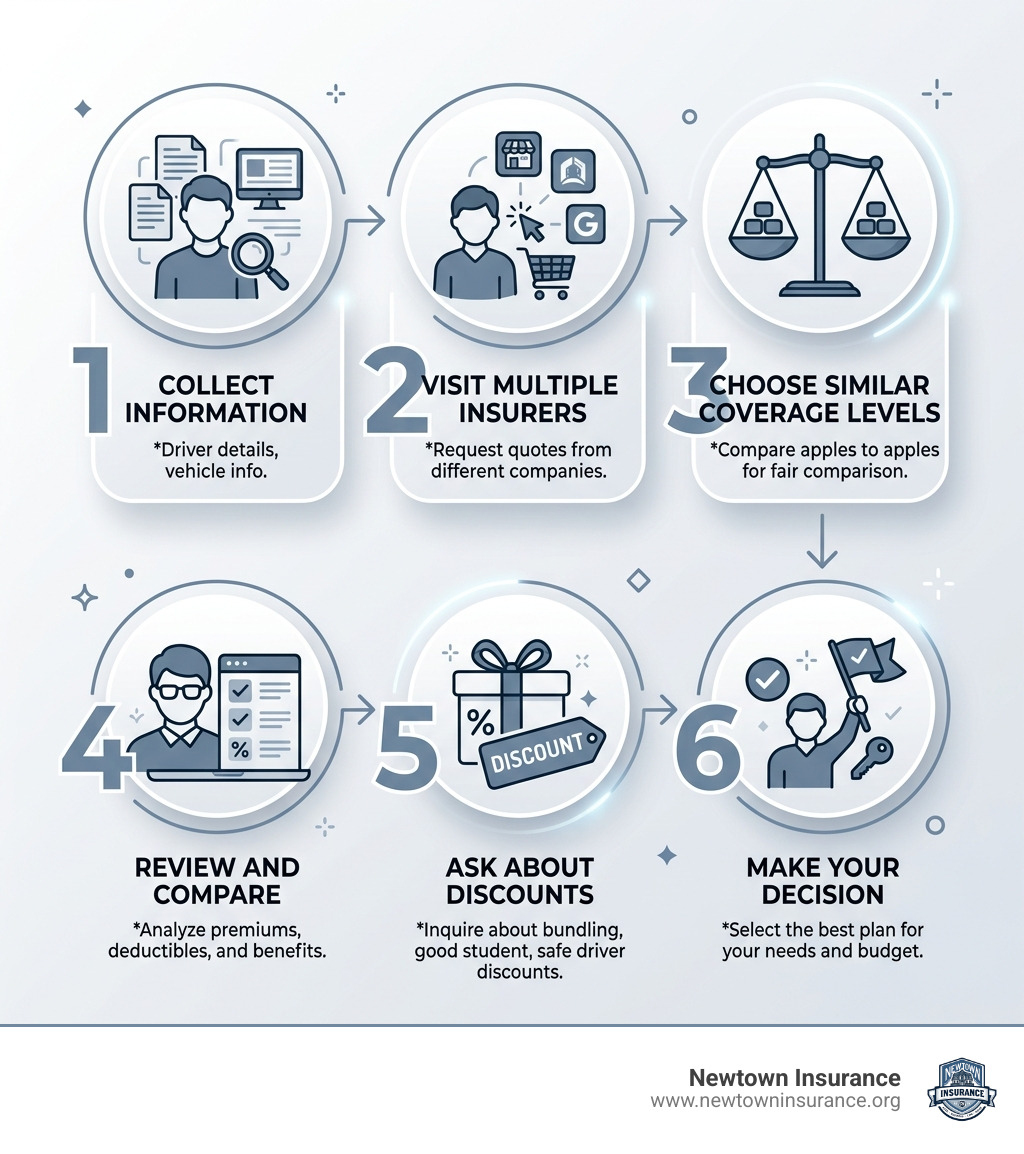
How to Compare Auto Insurance Quotes for Maximum Savings
Saving money on insurance isn't just about finding the lowest base rate; it's about stacking every possible discount available to you.
- Bundling: This is the "king" of discounts. Combining your auto policy with homeowners or renters insurance can save you an average of $600 to over $1,000 per year depending on the provider.
- Multi-Car Savings: Insuring more than one vehicle on the same policy almost always results in a lower per-car rate.
- Usage-Based Insurance (Telematics): These programs track your actual driving habits (braking, speed, time of day). If you’re a safe driver, you can see discounts of up to 30-40%.
- Student Discounts: Many insurers offer a "Good Student" discount for drivers under 25 who maintain a B average or higher.
- Defensive Driving Courses: Taking a state-approved safety course can often shave 5-10% off your liability and collision premiums.
For more detailed strategies, check out our Tips for Saving Money on Insurance.
Evaluating Customer Support and Financial Strength
A cheap quote is worthless if the company goes bankrupt or ignores your calls when you have an accident.
When comparing auto insurance quotes, look at the company’s AM Best Rating. This is a grade (A++, A, B, etc.) that measures a company's financial ability to pay out claims. Stick with companies rated "A" or higher.
Furthermore, consider the "quality of life" features. Does the company have a 24/7 claims hotline? Is there a mobile app that lets you view your ID cards or request roadside assistance instantly? To find the leaders in this category, read our guide on the Best Insurance Customer Support.
Beyond the Price: What to Look for in a Policy
The "best" quote isn't always the cheapest one. You should look for added value features that provide peace of mind:
- Accident Forgiveness: Some companies promise not to raise your rates after your first at-fault accident.
- Roadside Assistance: This covers towing, flat tire changes, and jump-starts. It's often much cheaper to get this through your insurance than a separate motor club.
- Gap Insurance: If your car is totaled and you owe more on your loan than the car is worth, Gap insurance pays the difference.
- Rental Reimbursement: If your car is in the shop after a covered accident, this pays for a rental car so you can still get to work.
For a deeper dive into these perks, see our Insurance Savings Tips.
Frequently Asked Questions About Car Insurance
How quickly can I get coverage after receiving a quote?
In most cases, you can get coverage instantly. Once you provide your VIN and driver's license number and make your first payment, the policy can be "bound" immediately. Most modern insurers will provide you with a digital ID card that you can save to your phone or print out the same day.
What is the difference between a quote and a premium?
A quote is an estimate. It is the price the insurance company thinks they will charge you based on the info you provided. The premium is the final, actual cost of the policy after the company’s underwriters have verified your driving record, claims history, and credit score. This is why it’s so important to be accurate when filling out the initial quote form!
Can I get insurance with a poor driving record?
Yes. While a history of accidents or violations will make your auto insurance quotes higher, there are "non-standard" insurance markets specifically designed for high-risk drivers. Over time, as old violations "fall off" your record (usually after 3-5 years), your rates will naturally begin to decrease.
Conclusion
Navigating auto insurance quotes doesn't have to be a headache. By understanding the factors that influence your rates—from your ZIP code in Newtown to your choice of a deductible—you can take control of your financial future.
At Newtown Insurance, we pride ourselves on being a local Pennsylvania provider that understands the unique needs of our community. We don't believe in "one-size-fits-all" policies. Instead, we offer tailored protection, smart savings, and transparent pricing. Our goal is to ensure you never overpay for the coverage you need.
Ready to see how much you could save? Get Started with Newtown Insurance today and experience customer-first support that treats you like a neighbor, not a policy number.