What is Business Equipment Insurance?
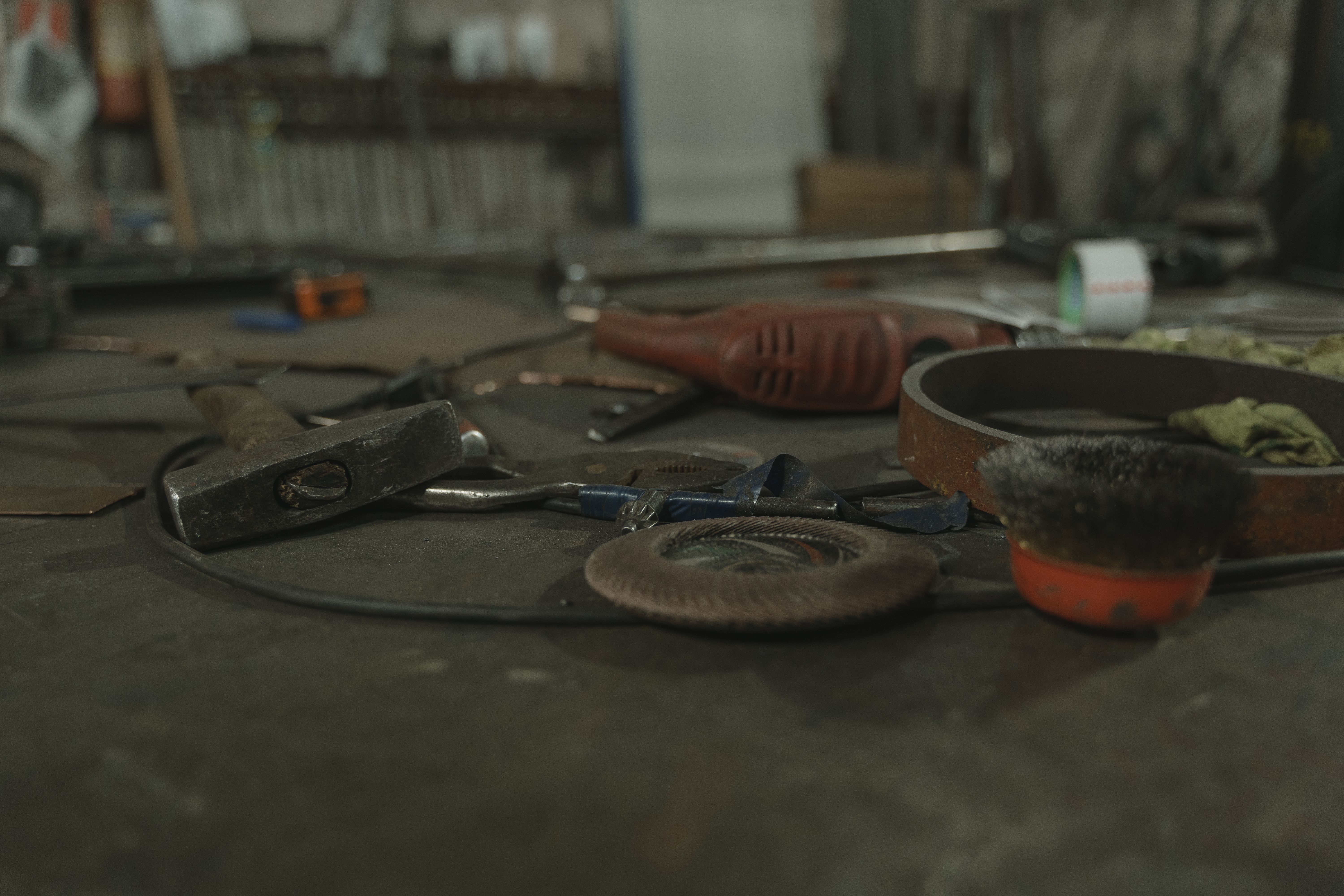
At its core, business equipment insurance is a specialized form of commercial insurance designed to protect the physical assets you use to generate revenue. While your general liability insurance protects you if you accidentally damage someone else’s property, equipment insurance is all about protecting your stuff.
Think of it as a financial safety net for your “bread and butter.” Whether it’s a high-end laptop for an IT consultant, a diagnostic machine in a medical office, or a trailer full of power tools for a Pennsylvania contractor, this coverage ensures that if those items are stolen, caught in a fire, or damaged in an accident, you aren’t paying out of pocket to get back to work.
Understanding Business Equipment Insurance vs. Property Insurance
A common point of confusion for many business owners in Newtown is the difference between standard commercial property insurance and equipment-specific coverage.
Standard property insurance is typically “location-bound.” It protects the items inside your building—like your desks, chairs, and stationary computers—against perils like fire or windstorms. However, if you take a specialized piece of gear to a job site in Philadelphia or store it in a van overnight, standard property insurance often stops at the door.
This is where business equipment insurance (often structured as “Inland Marine” insurance) shines. It provides “floating coverage,” meaning the protection follows the equipment wherever it goes—in transit, at a client’s office, or at a temporary job site. For businesses that aren’t tethered to a single desk, this is essential. Furthermore, if an equipment loss prevents you from operating, you may need to look into Loss of Use Coverage to help manage the financial gap while your gear is being replaced. According to the Insurance Information Institute, this type of coverage is specifically designed for property that is mobile or used for transportation and communication.
The Role of Inland Marine and Equipment Breakdown
In the insurance world, we use two specific terms that every business owner should know: Inland Marine and Equipment Breakdown.
- Inland Marine: Don’t let the name fool you; it has nothing to do with the ocean. This is the “floater” policy mentioned above. It covers mobile equipment that moves from place to place. If a landscaper’s mower falls off a trailer on the way to a job, Inland Marine is the coverage that responds.
- Equipment Breakdown: While Inland Marine covers external “accidents” (theft, fire, dropping the item), Equipment Breakdown covers internal “failures.” This includes mechanical breakdowns, electrical short circuits, and power surges. If your restaurant’s industrial refrigerator motor burns out or a power surge fries your server rack, Equipment Breakdown coverage (formerly known as “boiler and machinery” insurance) steps in to pay for the repairs.
Who Needs Coverage and What is Protected?
If your business would grind to a halt without a specific piece of gear, you need business equipment insurance. In Pennsylvania, we see a diverse range of professionals who rely on this protection to stay solvent.

- Contractors and Tradespeople: From carpenters to electricians, your tools are your livelihood. Because these tools are often stored in vehicles or at unsecured job sites, they are prime targets for theft.
- Cleaning Services: Portable vacuums, floor polishers, and pressure washers are expensive to replace and frequently moved between locations.
- Medical Professionals: Specialized diagnostic gear, such as portable ultrasound machines or dental tools, represents a massive capital investment that needs high-limit protection.
- IT and Creative Consultants: High-end laptops, servers, and photography gear are not only expensive but also contain critical data.
Common Items Covered by Business Equipment Insurance
When we build a policy for a client, we look at everything from the smallest hand tool to the largest excavator. According to our Insurance Pennsylvania Complete Guide, a comprehensive inventory is the first step toward proper protection.
| Industry | Typical Equipment Covered |
|---|---|
| Construction | Power drills, saws, generators, backhoes, safety gear |
| Photography | Cameras, lenses, lighting rigs, drones, tripods |
| Healthcare | Patient monitors, specialized chairs, portable X-ray units |
| IT/Office | Laptops, tablets, servers, high-end printers, routers |
| Landscaping | Lawnmowers, trimmers, blowers, chainsaws, trailers |
For items valued under a certain threshold (often around $2,500), we can often provide “blanket coverage,” which protects a group of tools without listing them individually. However, for high-value “scheduled items”—like a $10,000 surveying tool—you must list the make, model, and serial number on the policy to ensure full reimbursement.
Protecting Rented and Leased Gear
Many businesses in the Newtown area choose to lease heavy machinery or rent specialized tools for short-term projects. Just because you don’t own the equipment doesn’t mean you aren’t responsible for it.
Most lease agreements contain a “contractual requirement” stating that you must insure the item for its full replacement value while it is in your care, custody, and control. Business equipment insurance can be endorsed to cover “hired or borrowed” equipment, ensuring that if you accidentally damage a rented forklift, you aren’t stuck paying the rental company tens of thousands of dollars out of pocket.
Navigating Costs, Limits, and Valuations
Understanding the cost of your premium starts with a look at the total value of what you’re protecting. On average, small businesses might pay anywhere from $500 to $2,000 per year, but this can fluctuate wildly based on the “riskiness” of your gear.

When you seek Personalized Insurance Quotes, we look at your deductible—the amount you pay before insurance kicks in. For equipment policies, deductibles often range from $250 to $1,000. Choosing a higher deductible can lower your monthly premium, but you must ensure you have that cash on hand if a claim arises.
ACV vs. RCV: Choosing Your Payout Method
This is perhaps the most critical decision you will make when purchasing business equipment insurance.
- Actual Cash Value (ACV): This pays out what the item was worth at the time of the loss. If your five-year-old laptop is stolen, ACV will pay you the “garage sale” price of a five-year-old laptop. It factors in depreciation.
- Replacement Cost Value (RCV): This pays to buy a brand new version of the item (or a modern equivalent) today. While RCV premiums are slightly higher, they are usually the better choice for businesses. If your tools are stolen, you don’t want the “used” value; you want enough money to go to the store and buy new tools so you can get back to work.
For more ways to balance cost and protection, check out our Insurance Savings Tips.
Factors Influencing Your Business Equipment Insurance Premium
Several variables determine what you’ll pay:
- Industry Risk: A logger using chainsaws in the woods faces higher risks than a consultant using a laptop in a coffee shop.
- Location: High-crime areas or regions prone to natural disasters may see higher rates.
- Security Measures: Do you store your tools in a GPS-tracked, alarmed trailer? This can lead to significant discounts.
- Claims History: Like auto insurance, a history of frequent claims can drive up your costs.
Essential Policy Exclusions and Endorsements
No insurance policy covers everything. It is important to be “eyes wide open” about what is excluded so you can manage those risks through maintenance and security.
Common Exclusions:
- Wear and Tear: Insurance is for “sudden and accidental” events. It won’t pay to replace a drill that simply wore out after ten years of use.
- Rust and Corrosion: These are considered maintenance issues.
- Intentional Damage: If you break a machine out of frustration, it isn’t covered.
- Nuclear Hazard or War: Standard across almost all commercial policies.
Valuable Endorsements to Consider:
- Business Interruption: If your equipment is destroyed and you can’t work for two weeks, this coverage helps pay for your lost net income and ongoing expenses (like payroll).
- Electronic Data Restoration: If a power surge destroys your server, this pays to hire experts to recover or recreate your lost business data.
Frequently Asked Questions about Equipment Protection
Is business equipment insurance legally required in Pennsylvania?
Technically, no. The Pennsylvania Insurance Department does not mandate equipment insurance for most small businesses. However, you will likely find it is “contractually required.” If you want to work as a subcontractor for a large developer, or if you are financing a piece of equipment through a bank, they will require proof of insurance before you can sign the contract or get the keys.
How do I determine the right coverage limits for my tools?
Don’t guess. The best method is to perform a physical inventory. Walk through your shop or van and list every item, its purchase date, and what it would cost to buy it new today. For “blanket” coverage, ensure your total limit is at least 20% higher than your estimated total value to account for new purchases throughout the year.
What is the claims process for damaged or stolen equipment?
- Report the Loss: If it’s theft, call the police immediately and get a case number.
- Document Everything: Take photos of the damage or the scene of the theft (e.g., the broken lock on the van).
- Notify Us: Contact your agent as soon as possible.
- Proof of Loss: Provide your inventory list, receipts, or serial numbers.
- Adjuster Review: An insurance adjuster will review the documentation and issue a settlement based on your ACV or RCV selection.
Conclusion
Your tools are more than just metal and plastic; they are the engines that drive your business forward. When theft and accidents are a matter of “when,” not “if,” having the right business equipment insurance is the only way to ensure your joy—and your income—remain intact.
At Newtown Insurance, we pride ourselves on providing Pennsylvania business owners with tailored protection that fits their specific trade. We don’t believe in “one size fits all” policies. Instead, we focus on smart savings and transparent pricing to ensure you have exactly the coverage you need—and nothing you don’t.
Ready to secure your gear and your future? Check out our Business Insurance Pennsylvania Guide 2026 for a deeper look at your local requirements, or protect your tools with a personalized quote today. We’re here to help you stay focused on the work, while we handle the risk.